The Growing Crisis of Floods in Kenya: Causes, Impacts, and the Way Forward
The Growing Crisis of Floods in Kenya: Causes, Impacts, and the Way Forward
Introduction
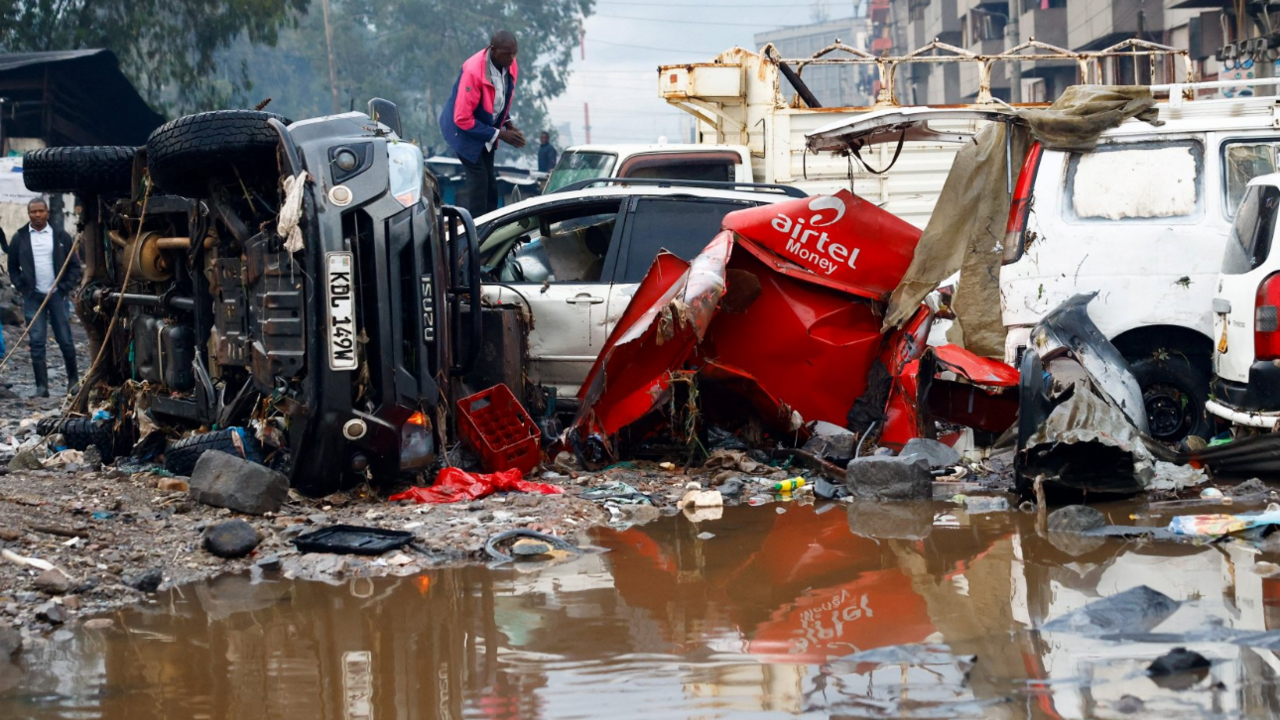
Flooding has become one of the most destructive natural disasters affecting Kenya in recent years. From major urban centers like Nairobi to rural communities along rivers and low-lying regions, heavy rainfall and overflowing waterways have repeatedly caused loss of life, destruction of homes, and disruption of economic activities. In early 2026, devastating flash floods in Nairobi alone claimed more than two dozen lives, damaged infrastructure, and disrupted flights at the country’s main airport.
These disasters highlight the urgent need to understand why floods occur in Kenya, their impact on society, and the measures required to reduce their devastating effects.
Recent Flood Events in Kenya
Kenya has experienced several severe flooding episodes over the past decade. The most recent floods have caused tragic consequences.
In March 2026, heavy overnight rainfall led to flash floods in Nairobi. Rivers overflowed, vehicles were swept away, and several neighborhoods experienced power outages due to damaged electrical infrastructure. Emergency teams, including the military and rescue organizations, were deployed to assist residents and recover victims.
Similar disasters have occurred in previous years. In 2024, catastrophic floods across East Africa killed hundreds of people and displaced more than half a million across Kenya and Tanzania.
One of the most tragic incidents during the 2024 floods occurred in Mai Mahiu, where a flash flood caused by blocked drainage infrastructure killed dozens of people and injured many others.
These recurring disasters demonstrate that flooding is no longer a rare event but an increasingly frequent challenge.
Causes of Flooding in Kenya
1. Heavy Seasonal Rainfall
Kenya experiences two main rainy seasons:
-
Long rains (March–May)
-
Short rains (October–December)
During these periods, intense rainfall can cause rivers to overflow and trigger flash floods in many regions.
In some years, rainfall becomes extremely intense due to climate patterns such as El Niño, which brings unusually heavy precipitation to East Africa.
2. Climate Change
Climate change has significantly increased the frequency and intensity of extreme weather events. Rising global temperatures lead to heavier rainfall and more severe storms, increasing the risk of flooding.
Experts warn that climate change is already amplifying the severity of floods across Africa, affecting livelihoods, food security, and infrastructure.
3. Poor Urban Drainage
Rapid urbanization has also contributed to flooding in cities such as Nairobi, Mombasa, and Kisumu.
Common problems include:
-
Blocked drainage systems
-
Construction on riparian land
-
Poor waste management clogging waterways
When heavy rains occur, water cannot drain properly, causing streets and neighborhoods to flood.
4. Deforestation and Land Degradation
Deforestation reduces the land’s ability to absorb rainfall. Without vegetation to slow water flow, rainwater quickly runs into rivers and streams, causing them to overflow.
This problem is particularly severe in mountainous regions and river basins.
Impact of Floods in Kenya
1. Loss of Lives
Floods frequently cause fatalities through drowning, electrocution from damaged power lines, and collapsing buildings. Recent floods have killed dozens of people in a single event.
2. Displacement of Communities
Floods often force thousands of families to leave their homes. In some recent flood events, more than 250,000 people were displaced and forced to seek temporary shelter. 
3. Damage to Infrastructure
Floodwaters destroy roads, bridges, schools, and homes.
For example:
-
Schools were damaged during the 2024 floods, preventing thousands of children from returning to classes.
-
Airports and transport systems have been disrupted by severe flooding events.
4. Economic Losses
Floods disrupt agriculture, trade, and transportation. The 2024 floods were expected to reduce Kenya’s economic growth by affecting key sectors of the economy.
Farmers often lose crops and livestock, while businesses suffer from damaged property and interrupted supply chains.
Humanitarian Response
When floods occur, both the government and humanitarian organizations respond with emergency assistance.
Common responses include:
-
Rescue operations by security forces and emergency services
-
Distribution of food and relief supplies
-
Temporary shelters for displaced families
-
Medical support for injured victims
Kenya has also launched initiatives to improve disaster preparedness, including national early warning systems to alert communities about extreme weather events.
Long-Term Solutions to Flooding
1. Improved Drainage Systems
Cities must invest in better drainage infrastructure to handle heavy rainfall.
2. Environmental Protection
Protecting forests and wetlands helps regulate water flow and reduces flood risk.
3. Climate Adaptation
Kenya must adopt climate-resilient strategies such as:
-
Flood forecasting systems
-
Climate-resilient infrastructure
-
Sustainable land use planning
4. Community Awareness
Public education about flood risks and safety measures can help save lives.
For example:
-
Avoid driving through flooded roads
-
Move to higher ground during heavy rainfall
-
Follow weather alerts and warnings
Conclusion
Floods in Kenya are becoming more frequent and more destructive due to a combination of climate change, urbanization, and environmental degradation. While emergency response efforts save lives during disasters, long-term solutions are needed to reduce the country’s vulnerability to flooding.
Improved infrastructure, climate adaptation strategies, and environmental conservation will be crucial in protecting communities and ensuring a safer future for millions of Kenyans.




Comments (0)
No comments yet. Be the first to share your thoughts!